Heel Spur Pain Relief: What Works and What Won't Help
A clear look at what actually calms heel spur pain, why the spur itself usually isn't the problem, and how to build lasting relief instead of chasing short-term fixes.
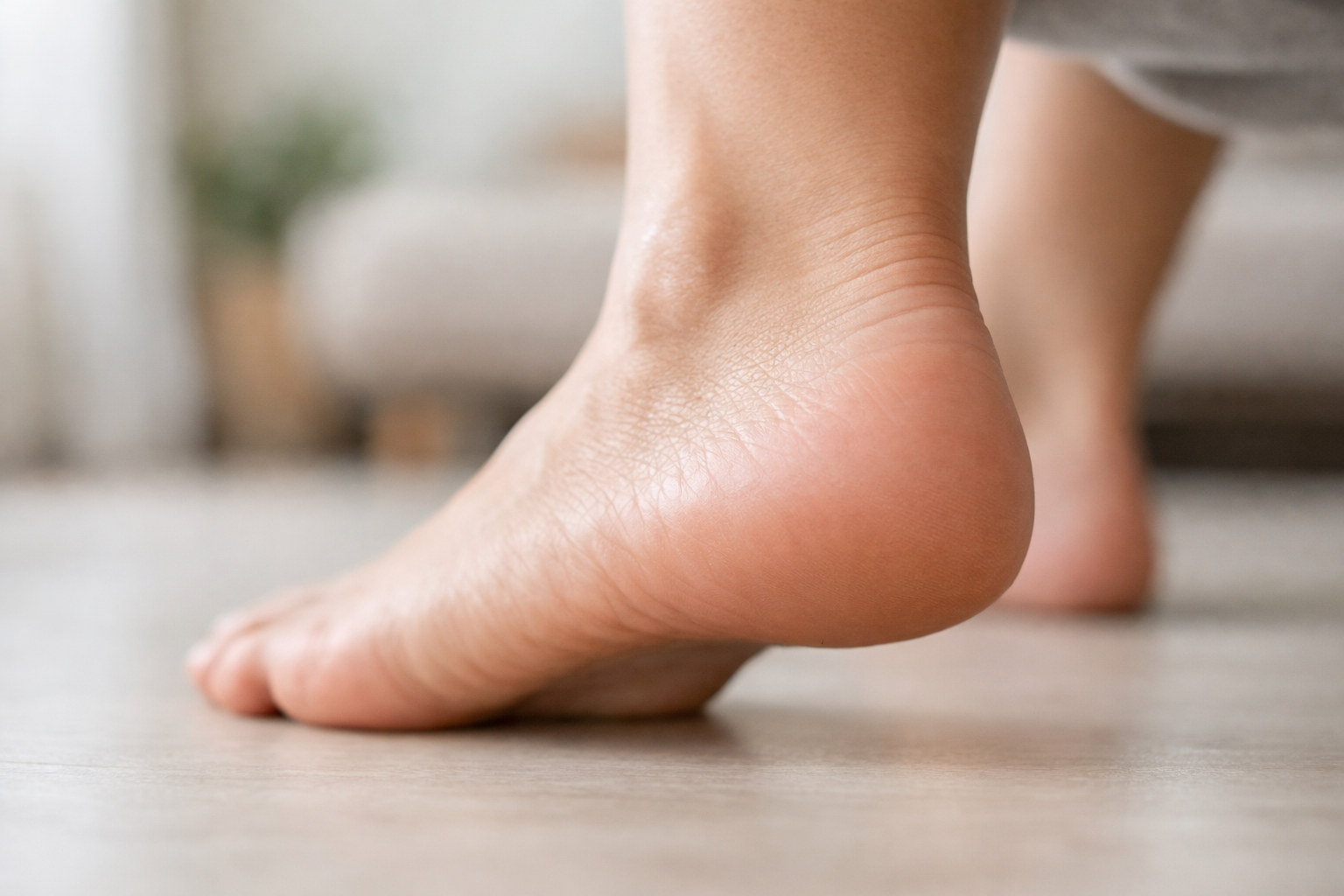
If you’ve been told you have a heel spur, you’ve probably already tried the usual advice: rest, ice, maybe a night splint. Some of it helps a little. Some of it doesn’t touch the pain at all. That’s confusing, and it’s worth understanding why.
Here’s the short version: in most cases, the bone spur itself isn’t what’s hurting. The pain almost always comes from the soft tissue around it, usually the plantar fascia, which has become sensitized from more load than it could currently tolerate. Treating the spur as the target leads a lot of people down a frustrating path of rest, ice, and stretching that calms things down temporarily and then flares right back up.
What a Heel Spur Actually Is
A heel spur is a small calcium deposit on the underside of the heel bone, visible on an X-ray. It forms gradually, usually over months or years, in response to chronic tension and stress at the point where the plantar fascia attaches to the bone. Think of it as a marker of a stress pattern, not the cause of one.
This matters because it changes what “treatment” should actually target. You can’t dissolve a bone spur with stretches, essential oils, apple cider vinegar soaks, or any of the other things you’ll find if you search for how to get rid of a heel spur naturally. Bone doesn’t reabsorb that way, and there’s no home remedy that changes calcium deposits. What you can change is the sensitivity and capacity of the tissue around the spur, which is almost always where the pain is coming from anyway.
Interestingly, plenty of people have heel spurs on imaging with zero pain, and plenty of people with significant heel pain have no spur at all. The correlation between spur size and pain level is weak. That disconnect is a big clue that the spur isn’t running the show.
How to Calm Down Heel Spur Pain in the Short Term
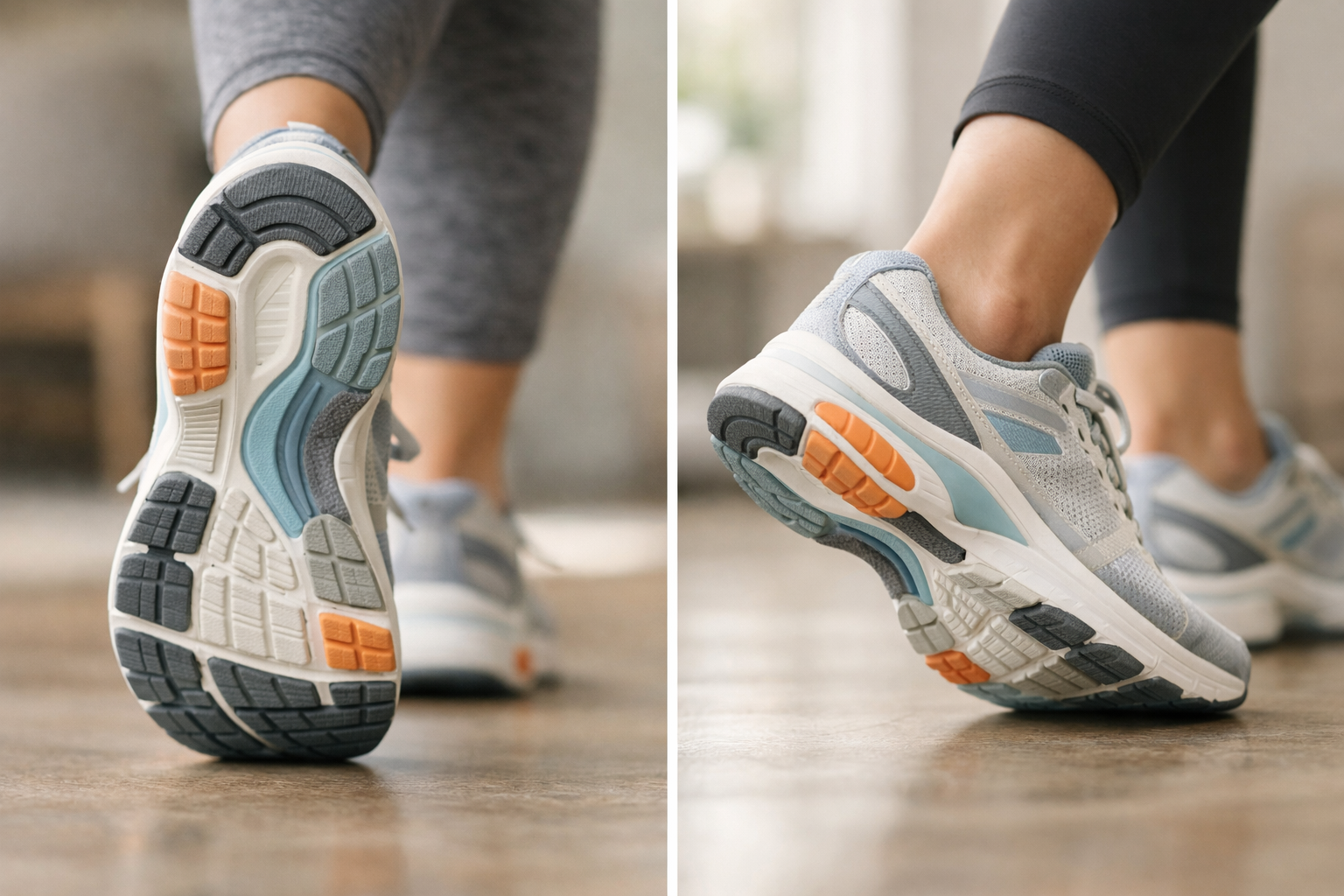
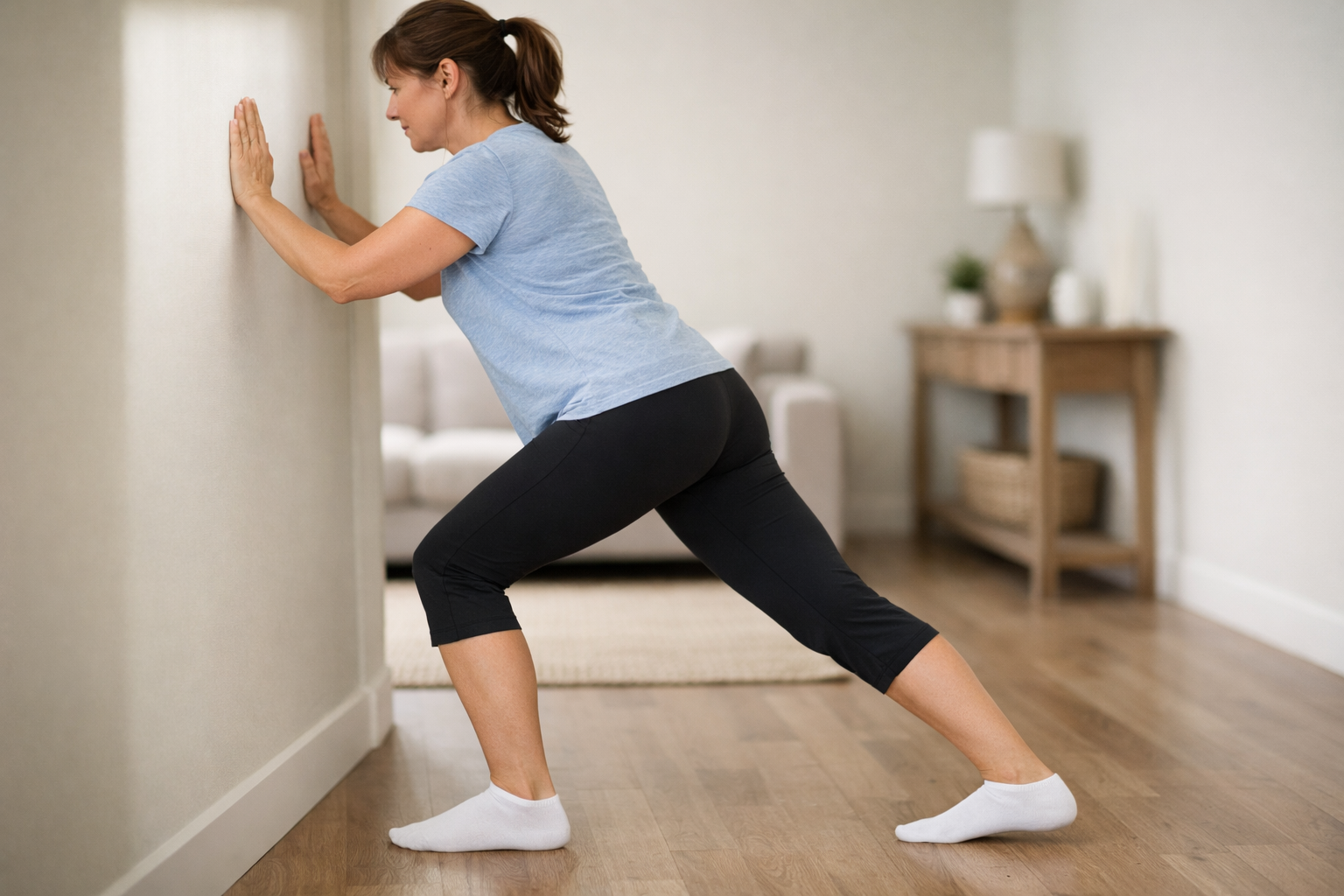
While you’re working on the bigger picture, a few things reliably take the edge off:
- Reduce, don’t eliminate, the aggravating load. If a specific activity consistently pushes your pain past a mild level, scale it back rather than cutting it out completely.
- Ice for 10 to 15 minutes after activity. This calms local sensitivity; it doesn’t fix the underlying issue, but it’s a reasonable short-term tool.
- Supportive footwear or a temporary insert. Something with cushioning and arch support reduces the load hitting the heel with each step. This is a load-management tool, not a permanent fix, and it’s fine to use one while you build capacity elsewhere.
- Gentle calf and plantar fascia stretching can reduce morning stiffness and general sensitivity. Just know that stretching calms symptoms while the tissue is unloaded; it doesn’t build the tissue’s actual tolerance for load, which is the part that changes long-term outcomes.
None of these are wrong to use. The mistake is stopping there and expecting them to be the whole plan.
Does a Heel Spur Ever Stop Hurting?
Yes, for most people it does, and here’s the more useful way to think about it: the spur usually stays exactly where it is. What changes is the tissue around it. As the plantar fascia and surrounding structures rebuild their capacity to tolerate daily walking, standing, and activity, the pain associated with a heel spur typically fades even though the spur is still visible on an X-ray years later.
That’s why surgical removal of the spur is rarely the first, second, or even third step. It’s reserved for a small number of cases that don’t respond to a genuine, sustained loading program, and even then, outcomes are tied more to addressing the soft tissue than to removing the calcium deposit itself.
How Long Will a Heel Spur Last
The spur, structurally, is often permanent. The pain is a different question. For many people with a straightforward case, meaningful improvement in pain happens over weeks, with continued gains over roughly 8 to 12 weeks of consistent, progressive loading. That’s a general pattern, not a guarantee or a countdown clock. If you’ve had heel pain for a year or more before starting real treatment, expect the process to take longer and start from a lower level of activity. Chronic doesn’t mean it’s permanent or that you’ve missed your window. It usually means the tissue needs a more patient, more gradual rebuild.
Is Walking Good for a Heel Spur?
Generally yes, with some nuance. Complete rest is one of the most common mistakes people make, because it reduces sensitivity temporarily but does nothing to build the tissue’s tolerance for the walking, standing, and daily activity you actually need it to handle. The moment you resume normal life, the pain often returns exactly where it left off, sometimes worse, because the tissue never adapted.
A more useful guideline: keep walking, but pay attention to how your heel responds. A reasonable target for many people is keeping pain at or below about a 4 out of 10 during and after activity, and having it settle back to baseline within about 24 hours. If a walk consistently pushes you past that, or the soreness lingers into the next day, that’s a sign to shorten the distance or add more supportive footwear, not to stop walking altogether. Total load adds up across your whole day, exercise plus your job plus errands plus everything else, so a flare doesn’t always mean the walk itself was the problem. It might be the cumulative day.
What Triggers a Heel Spur, and What Causes Flares
Heel spurs develop from sustained, repetitive tension at the fascia’s attachment point over a long period. Common contributors include:
- Jobs that involve long hours of standing or walking on hard surfaces
- A sudden increase in running mileage or a new fitness routine
- Worn-out or unsupportive footwear
- Higher body weight, which increases the mechanical load on the heel with every step
- Tight calf muscles, which change how load transfers through the foot
- Flat feet or high arches, which alter how force distributes across the plantar fascia
None of these are personal failures. They’re just factors that raise the total load going through a structure that has a limited capacity to absorb it at any given time. Two people can have the exact same job and only one develops heel pain, because capacity varies based on history, footwear, recovery, and a dozen other things.
Once a spur and the surrounding fasciopathy are established, flares tend to follow the same load-versus-capacity logic. A day of unusual standing, a long walk in old shoes, a return to running that ramped up too quickly. It’s rarely one single moment; it’s usually a few days of cumulative load catching up with the tissue, sometimes with a lag of a day or two before you feel it.
What Gets Mistaken for a Heel Spur
Heel pain has several possible sources, and it’s easy to assume every case is the same thing. Conditions that can mimic or overlap with heel spur pain include:
- Plantar fasciopathy without a visible spur (the most common source of heel pain overall)
- Fat pad atrophy, where the natural cushioning under the heel thins with age or repetitive impact
- Tarsal tunnel syndrome, a nerve compression issue that can cause burning or tingling rather than a dull ache
- Stress fractures of the calcaneus, more common in runners or people who’ve recently increased activity sharply
- Achilles tendinopathy, which causes pain at the back of the heel rather than underneath it
Because treatment differs across these, an evaluation with a physical therapist or foot specialist is worth doing if your pain isn’t following the expected pattern, especially if it’s sharp, burning, or located somewhere other than the bottom or front of the heel.
How Do You Heal Heel Spurs Fast?
Honestly, there isn’t a fast fix, and most sources promising one are describing symptom relief, not tissue change. The pain from a heel spur can be knocked down within days using rest, ice, and anti-inflammatories, but that relief tends to be temporary because it hasn’t changed the tissue’s actual capacity to handle load. It’s calmed the alarm system without fixing what set it off.
The approach that holds up is progressive loading: starting at a tolerable level of activity and controlled exercise, staying there long enough for the tissue to adapt, then gradually increasing. Early improvement in the first couple of weeks is often more about the nervous system calming down than the tissue actually getting stronger. The structural change, the part that makes the improvement durable, takes longer. That’s not a flaw in the plan. It’s how tendons and fascia are built.
A physical therapist can guide the specific loading progression, but the general principles are sound enough to apply on your own if you’re patient: start low, add gradually, and let symptoms (using something like that 4-out-of-10 guideline) tell you when you’re pushing too fast.
When to See Someone
Most heel spur pain responds well to a structured, patient approach to loading and activity. But get it checked out if the pain is sharp or sudden rather than a gradual ache, if there’s numbness, tingling, or burning, if it started after a specific injury, or if it isn’t improving after several weeks of a genuine, consistent effort. A physical therapist can also confirm what’s actually driving your symptoms before you spend months treating the wrong thing.