Conservative Treatment Options for Plantar Fasciitis: What Works
A clear look at the full range of non-surgical treatments for plantar fasciitis, what each one actually does, and how they fit together into a plan that builds lasting capacity instead of just chasing pain relief.
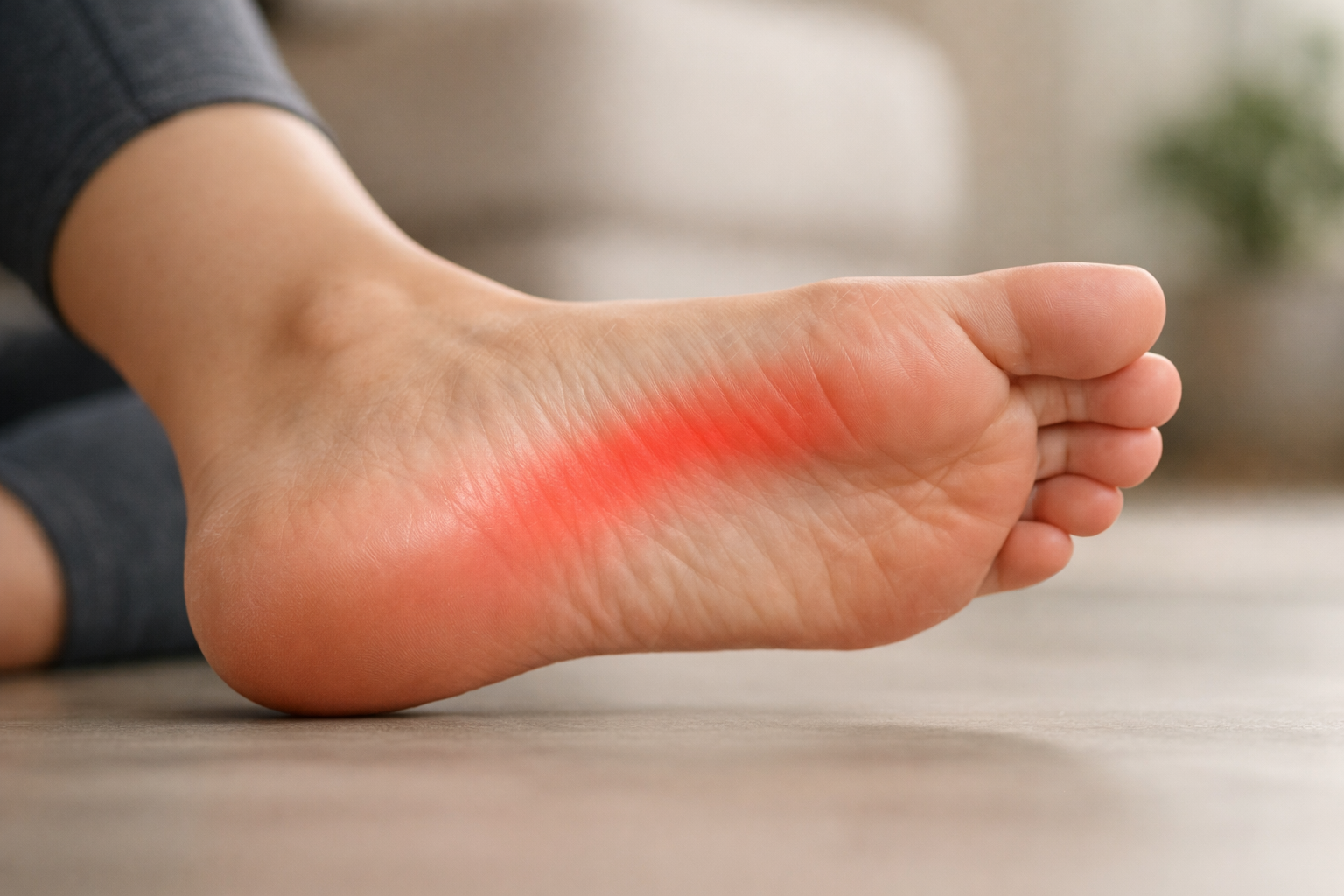
Plantar fasciitis treatment plans tend to list the same ingredients: rest, ice, stretching, orthotics, maybe a night splint, maybe an injection. What most of those lists skip is how these pieces fit together, and why some of them help more in the first two weeks than they do in month three. This article walks through the realistic conservative options, what each one is actually doing to your tissue, and how to sequence them so you’re not just managing symptoms on repeat.
The Foundation: Load Versus Capacity
Plantar fasciitis develops when the load going through the plantar fascia exceeds what the tissue can currently tolerate. That gap can open up from either direction: the load went up (new running mileage, a job that suddenly has you on concrete all day, weight gain, a change in footwear) or the capacity went down (a long sedentary stretch, an old injury, simple deconditioning). Most cases are some mix of both.
Treatment, then, has two separate jobs. One is calming the tissue down so you can function day to day. The other is rebuilding capacity so the fascia can handle your actual life without flaring every time you’re on your feet. A lot of standard advice only does the first job. That’s why people ice and stretch for months, feel fine while they’re babying the foot, and then land right back where they started the moment they resume normal walking, work, or exercise.
Rest: Useful in Small Doses, Not a Strategy
Rest lowers the load on an irritated fascia, which is why it feels like it’s working. But the fascia doesn’t get stronger from being left alone. It stays exactly as capable as it was before you stopped using it, and often a bit less capable, since tissue that isn’t loaded tends to lose tolerance rather than gain it.
So rest has a real, limited role: taking a day or two off a punishing activity, or scaling back a training block that clearly outran your capacity. What it shouldn’t become is the plan. Complete rest for weeks doesn’t rebuild anything, and it sets you up for the same pain to return the moment you go back to normal activity, because the tissue never adapted to the load in the first place. The goal is staying as active as your symptoms reasonably allow, not shutting activity down.
Can Walking Help With Plantar Fasciitis?
For most people, yes, in the right dose. Walking is a low-grade, repetitive load on the fascia, which is exactly the kind of stimulus that can build tolerance over time if it’s applied sensibly. The key is dose. If a 20-minute walk leaves you sore for two days, that’s a sign the current distance outstrips your capacity right now, not that walking itself is the enemy.
A reasonable pattern many people use: keep pain during and after walking at or below roughly a 4 out of 10, and let it settle back to your baseline within about 24 hours. If it doesn’t, that’s feedback to shorten the walk or add a rest day between sessions, not a reason to quit walking altogether. Over weeks, most people can gradually extend distance and pace as the tissue’s tolerance catches up.
Ice: What It Does and Doesn’t Do
Icing after activity is one of the most universally recommended pieces of plantar fasciitis treatment, and it earns its place for a specific reason: it reduces the sensitivity of an irritated area, which can take the edge off pain enough to keep you functioning. Rolling a frozen water bottle under the arch does double duty, combining cold with a light massage-like pressure that some people find soothing.
What ice doesn’t do is change the structural state of the fascia. It’s a short-term sensitivity tool, not a healing mechanism. Use it after a long day on your feet or after a loading session if it helps you feel better, but don’t mistake feeling calmer for the tissue having adapted. Those are two different things, and the difference is why symptoms can return quickly once the ice wears off and normal load resumes.
NSAIDs and Other Pain Relief
Over-the-counter anti-inflammatories can take the edge off pain for some people, particularly in an acute flare. They’re reasonable to use short-term under a physician’s or pharmacist’s guidance, but they carry the same limitation as ice and rest: they quiet the alarm system without rebuilding what set it off. Chronic plantar fasciitis (more accurately called plantar fasciopathy once it’s been present for months) usually shows less of the classic inflammatory picture and more of a degenerative, overuse-adaptation pattern, which is part of why NSAIDs tend to help less the longer symptoms have been present.
Taping, Strapping, and Compression
Taping the arch, whether with rigid athletic tape, kinesiology tape, or a compression sleeve, can offload some strain from the fascia during the day and give people enough relief to stay on their feet for work or errands. It’s a genuinely useful load-management tool, especially during a flare or early in rehab. We’ve covered the specifics of application and technique in a separate guide on KT tape for plantar fasciitis, so we won’t repeat the how-to here. The short version for this article: tape can reduce load temporarily, but it doesn’t build capacity on its own, and it works best paired with a progressive loading plan rather than used indefinitely as a substitute for one.
Night Splints
Night splints hold the ankle in a slightly flexed position overnight so the fascia doesn’t shorten while you sleep. The theory is straightforward: less overnight shortening means less of that sharp stretch when you take your first steps in the morning. Some people find real relief from them, particularly in the first several weeks of a flare. Others find them uncomfortable enough to disrupt sleep, which isn’t a good trade.
It’s worth being clear about what morning pain actually is. It’s not a sign the fascia got worse overnight. It’s a sensitivity pattern from hours without load, and the fascia becomes more reactive to that first stretch after being still for so long. We go into this in more depth in a separate article on plantar fasciitis morning pain, but the practical point here is that a night splint addresses the mechanism (overnight shortening) reasonably well for some people, without being essential for everyone.
Orthotics and Footwear
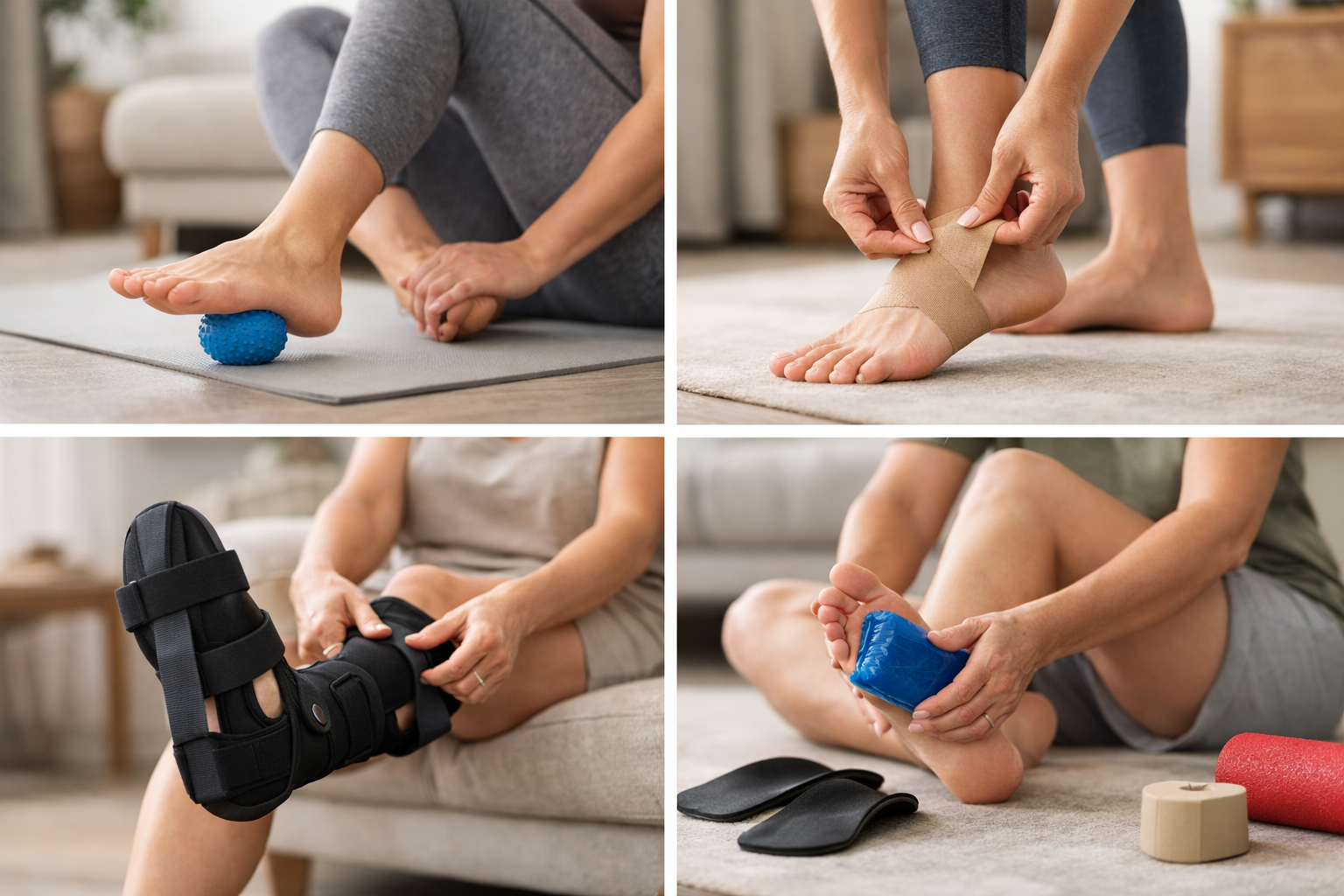
Orthotics, whether over-the-counter arch supports or custom-molded devices, redistribute pressure across the foot and can reduce peak strain on the fascia during standing and walking. They’re a legitimate load-management tool, not a crutch and not a cure. Some people do well with an inexpensive OTC insert. Others, particularly those with more significant structural factors, benefit from something custom. Either way, the orthotic is managing the load on the tissue from the outside; it isn’t changing the tissue’s underlying capacity.
Footwear works the same way. A shoe with more cushioning or arch support can lower the moment-to-moment strain on the fascia, which is useful during a flare or during a return to walking and running. It’s not about finding one “correct” shoe forever. It’s about matching footwear to your current tolerance and adjusting as that tolerance improves. If a shoe change coincided with your flare, that’s usually a sign the change altered your total load more than your foot was ready for, not that the new shoes were inherently wrong for you.
Steroid Injections
Cortisone injections can reduce pain and inflammation substantially, sometimes within days, which makes them appealing when pain is severe enough to interfere with basic function. They have real limits, though. Relief is often temporary, and repeated injections carry a risk of weakening the fascia tissue or, in some cases, contributing to a partial tear. Injections are best thought of as a way to create a window of lower pain in which you can begin progressive loading, not as a treatment that resolves the underlying capacity deficit on its own. That decision is one to make with your physician, weighing how much the pain is limiting you against those risks.
Manual Therapy and Massage
Hands-on treatment, deep tissue work, and self-massage with a ball or roller under the arch can reduce sensitivity and improve short-term comfort. Many people find it a helpful adjunct, particularly before a loading session, since a slightly calmer foot often tolerates exercise better. As with ice and stretching, though, it’s working on sensitivity, not structure. It earns a place in a treatment plan as a supporting tool, not the centerpiece.
Shockwave Therapy
Extracorporeal shockwave therapy delivers acoustic pulses to the affected tissue and is sometimes used for cases that haven’t responded to several months of more conservative measures. It appears to work by stimulating a localized healing response in tissue that has become chronically irritated. It’s generally considered after other conservative options have had a fair trial, and it’s typically done under a physician’s direction rather than as a first-line home treatment.
The Piece Most Lists Leave Out: Progressive Loading
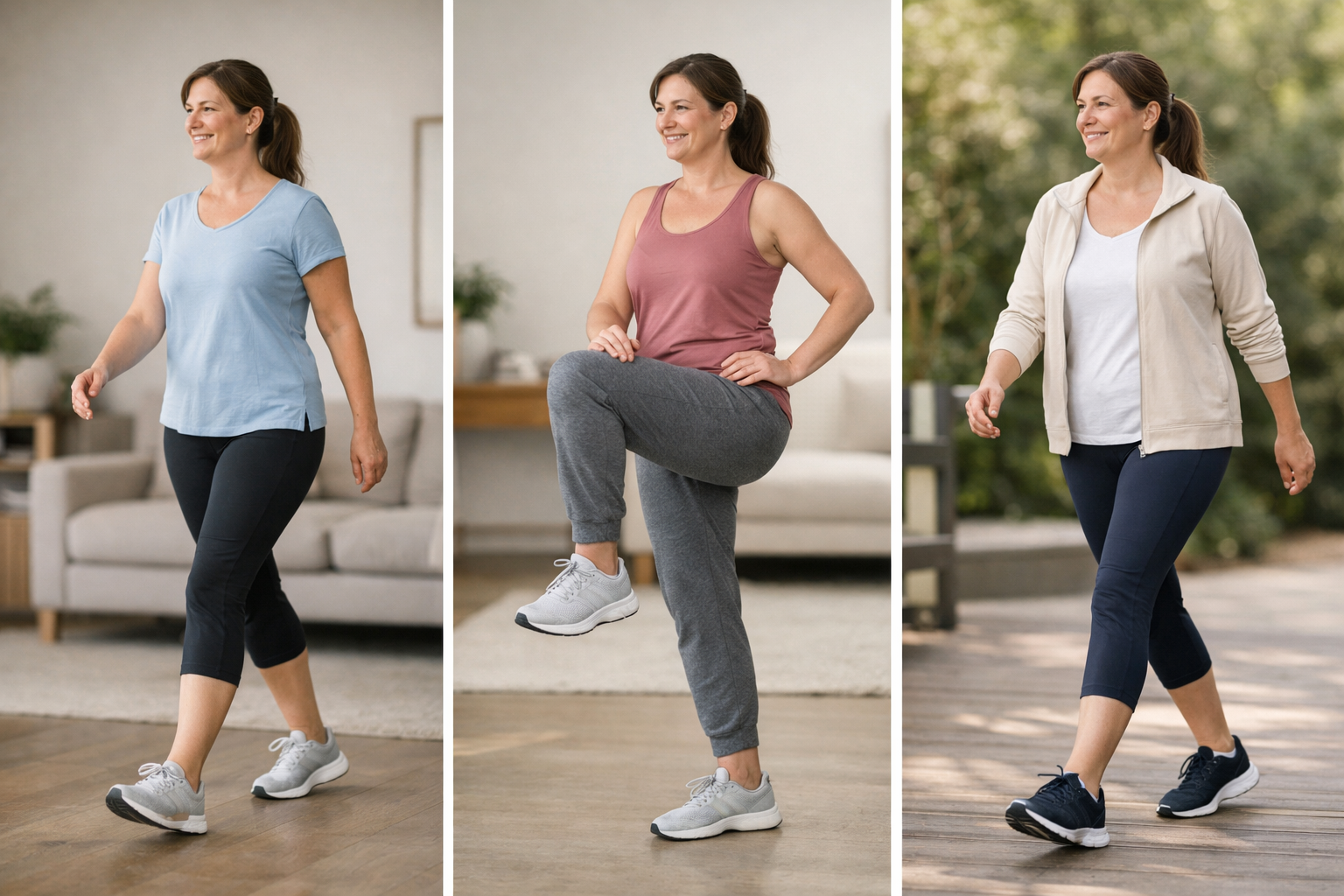
Here is where a lot of standard treatment lists stop short. Rest, ice, taping, orthotics, and even injections are all, in one way or another, tools for reducing load or reducing sensitivity. None of them, by themselves, teaches the fascia to tolerate more than it currently can. That only happens through progressive mechanical loading: exercises and activity that stress the tissue at a level it can currently handle, held there long enough to adapt, then gradually advanced.
Early improvements in a loading program are often driven by neural changes, your nervous system getting more comfortable with the movement, which is part of why pain can drop faster than the tissue has actually changed. Real structural adaptation in fascia and the surrounding muscle tends to take longer, often somewhere in the range of 8 to 12 weeks of consistent, appropriately dosed loading for many people. This is also why stopping a program the moment pain resolves, but before that adaptation window has passed, is such a common reason plantar fasciitis comes back. We cover the specific exercises and progressions in detail in our guide to plantar fasciitis exercises, so we’ll keep this section conceptual: the point of this article is that loading isn’t one item on the list alongside ice and orthotics. It’s the mechanism that makes the rest of the list worth doing.
Common Questions About Plantar Fasciitis Treatment
Does plantar fasciitis go away on its own?
For some people, mild cases resolve with basic activity modification and time, particularly if the load that triggered it (a new shoe, a temporary spike in walking or standing) gets corrected. But for many people, especially once symptoms have been present for more than a few weeks, the tissue has adapted to a lower capacity and needs a deliberate loading plan to recover fully. Waiting it out without addressing the underlying load-capacity gap often means symptoms linger for months, flaring and calming in a frustrating cycle rather than actually resolving.
Why does plantar fasciitis hurt so bad?
Pain is a protective signal from the nervous system, not a direct measurement of how damaged the tissue is. A fascia that’s chronically under-tolerant to the load you’re placing on it becomes more sensitive, and that sensitivity can produce pain that feels sharp and severe even when the tissue itself isn’t in imminent danger. That doesn’t mean the pain isn’t real or worth addressing. It means the intensity of the pain doesn’t map cleanly onto how bad the underlying tissue state is, which is also why pain can improve well before the tissue has fully adapted, and why it can flare again without new damage having occurred.
What’s the worst thing you can do for plantar fasciitis?
Two opposite mistakes both tend to backfire. One is pushing through significant pain and ignoring flares, which keeps the tissue from ever settling enough to adapt. The other is going to complete rest and avoiding all weight-bearing activity for an extended stretch, which lets capacity drop further and guarantees the same pain returns the moment normal activity resumes. The middle path, staying active within a tolerable range and progressing gradually, is less dramatic than either extreme but tends to work better.
What is stage 4 plantar fasciitis?
“Staging” systems for plantar fasciitis aren’t standardized the way they are for some other conditions, so you may see different sources describe different stages. In general, later-stage or chronic presentations describe fascia that has been under stress long enough to show degenerative changes rather than acute inflammation, which is why the more accurate term for a long-standing case is plantar fasciopathy rather than fasciitis. The practical point for treatment is the same regardless of label: chronic doesn’t mean permanent, it usually just means starting from a lower baseline and progressing more patiently.
How did I suddenly get plantar fasciitis?
Even when pain seems to appear overnight, it’s rarely truly sudden at the tissue level. More often, load has been outpacing capacity gradually, through a new job that has you standing longer, a shift in footwear, added mileage, or even weight change, and the tissue finally crossed a threshold where symptoms became noticeable. None of these are personal failures. They’re just shifts in total load on a system that had a certain capacity, and that capacity got exceeded.
What do people do for plantar fasciitis in other treatment traditions?
Approaches like acupuncture, cupping, and herbal soaks show up in various traditional treatment systems for foot pain, plantar fasciitis included. Evidence for these as standalone treatments is limited, and none of them replace progressive loading as the mechanism for building tissue capacity. If a particular approach helps you feel more comfortable and doesn’t interfere with an active loading plan, there’s little harm in it as an adjunct, but it’s worth keeping expectations realistic about what it can and can’t do structurally.
How long is too long for plantar fasciitis?
There’s no fixed cutoff, but a reasonable rule of thumb is that if pain hasn’t meaningfully improved after several weeks of consistent, appropriately dosed self-management, it’s worth getting a professional evaluation rather than continuing to guess. Longer-standing cases aren’t a sign that recovery is off the table. They usually just mean the starting point for a loading program needs to be more conservative and the timeline more patient. The principles for recovery are sound at any stage; what changes is the pace.
When to See Someone
Most cases of heel pain consistent with plantar fasciitis respond to a sensible combination of activity modification, targeted loading, and time. But not all heel pain is plantar fasciitis. Nerve entrapments, stress fractures, fat pad atrophy, and various tendon problems can produce similar symptoms in a similar location, and they call for different treatment. If pain is severe, worsening despite reasonable self-care, accompanied by significant swelling or numbness, or simply isn’t budging after several weeks of consistent effort, it’s worth having a physical therapist or physician take a look. An evaluation can confirm what you’re dealing with and help build a loading plan that’s actually matched to your current capacity, rather than a generic list applied blind.